Why Egypt is a Leading Exporter of dried Herbs and Seeds

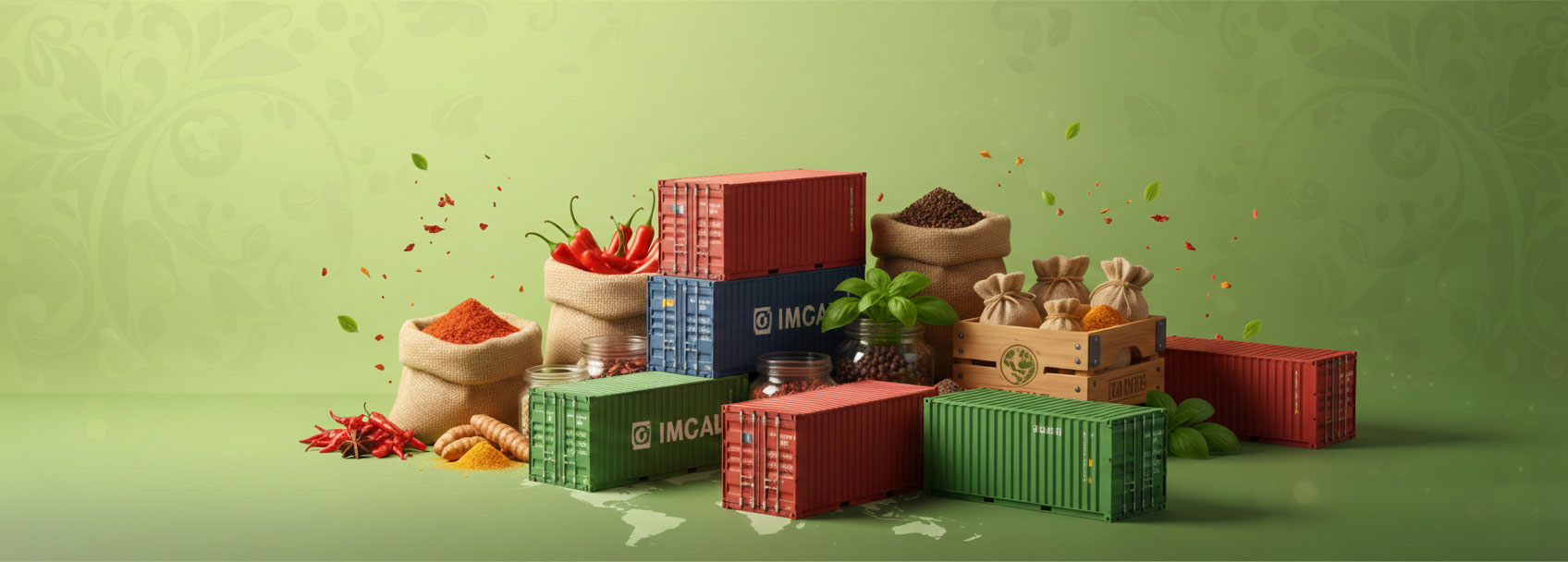
Egypt has long been a key player in the global trade of agricultural products, and in recent decades it has emerged as a leading exporter of herbs and seeds. With fertile soil, a favorable climate, ancient farming traditions, and evolving agribusiness infrastructure, Egypt offers a unique combination of advantages that attract international buyers. From culinary herbs to medicinal botanicals and high-value seeds, the country’s export ecosystem continues to grow — meeting quality demands in Europe, the Middle East, Asia, and beyond.
1.Ideal Growing Conditions
One of Egypt’s greatest assets is its natural environment. The country benefits from abundant sunshine year-round, long growing seasons, and rich alluvial soil irrigated by the Nile River. These conditions allow farmers to produce diverse herb and seed varieties with intense aroma, stable color, and robust flavor — qualities highly prized in international markets. Unlike regions with extreme weather or short growing periods, Egypt’s climate supports multiple harvests per year for many crops. For exporters, this means steady supply and predictability, which are crucial for long-term contracts with global buyers.
2. Historical Farming Expertise
Egypt has one of the oldest agricultural traditions in the world. For thousands of years, Egyptian farmers have cultivated herbs and medicinal plants for local use, trade, and cultural practices. This heritage has translated into deep generational knowledge about plant growth cycles, pest management, natural drying techniques, and post-harvest care.
Today’s growers blend traditional expertise with modern techniques — using mechanized harvesting, controlled drying, and quality testing — to ensure their products meet the stringent standards required by international buyers.
3. Wide Variety of High-Demand Products
Egypt’s herb and seed portfolio is extensive and aligns with global market demand. Key export products include:
- Culinary herbs such as parsley, mint, thyme, and dill
- Medicinal and aromatic plants like chamomile and sage
- Seeds including caraway, fennel, coriander, and black seeds
These products serve diverse industries — from food and beverage to cosmetics, herbal supplements, and natural remedies. Their versatility helps Egyptian exporters reach various buyers rather than depending on a single market niche.
4.Competitive Production Costs
Compared with many Western or northern producers, Egypt offers competitive labor and production costs. While maintaining high quality, Egyptian growers manage to keep pricing attractive — an advantage that appeals especially to importers seeking bulk herbs and seeds without compromising on safety or consistency.
Moreover, ongoing investments in agricultural technology and processing capabilities continue to improve operational efficiency, further strengthening Egypt’s competitiveness.
5. Strategic Geographic Location
Egypt’s location between Africa, Asia, and Europe gives it a strategic logistical edge. Modern ports such as Port Said, Sokhna, and Alexandria provide fast access to major shipping routes. This geographic advantage means shorter lead times, lower freight expenses, and reliable delivery schedules for international buyers — factors that set Egyptian exporters apart from competitors based on other continents.
6. Quality and Compliance Standards
Global buyers today demand strict quality assurance, traceability, and food-safety certifications. Egyptian exporters have responded by adopting international standards, including:
- Hazard Analysis and Critical Control Points (HACCP)
- Good Manufacturing Practice (GMP)
- ISO certifications
- Third-party laboratory testing for microbial, pesticide, and heavy-metal levels
With these systems in place, Egyptian herbs and seeds not only meet — but often exceed — regulations in demanding markets like the EU and North America. This compliance builds trust with distributors, importers, and processors worldwide.
7. Growing Export Infrastructure
The Egyptian government and private sector have collaborated to strengthen export infrastructure. This includes specialized drying centers, quality testing laboratories, and processing facilities that maintain product integrity from harvest to shipment. Alongside improved transportation networks and customs procedures, these investments have boosted Egypt’s capacity to serve global supply chains efficiently.
Summary
Egypt’s rise as a leading exporter of herbs and seeds is no accident. It is the result of natural advantages, agricultural heritage, product diversity, cost competitiveness, quality commitment, and logistical strengths. For international buyers seeking premium herbs and seeds with reliable supply and consistent quality, Egypt stands out as a trusted partner.
Whether you’re sourcing culinary herbs, medicinal botanicals, or specialty seeds, Egypt’s export-ready products continue to command interest — shaping markets and forging long-term relationships around the world.