Cultivation and Exporting of Oregano from Egypt to International Markets

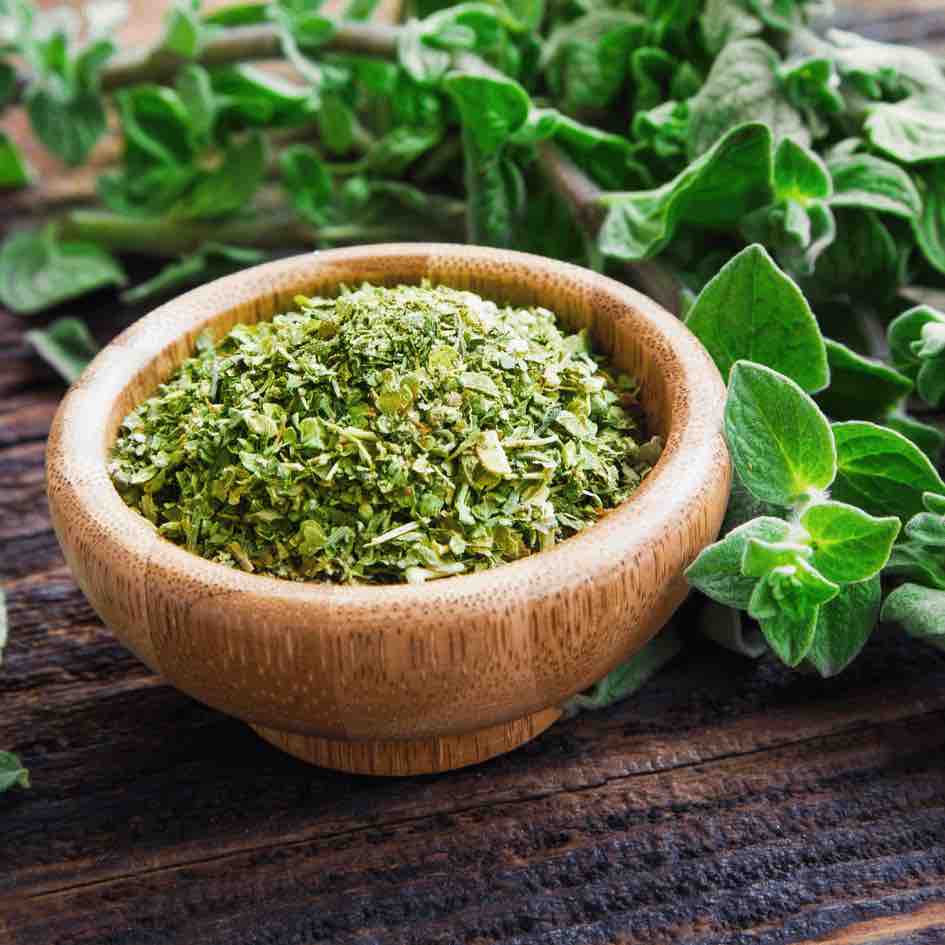
Oregano (Origanum vulgare) is one of the most valuable aromatic herbs cultivated in Egypt, widely recognized for its culinary, medicinal, and industrial applications. Over the past decades, Egypt has become a leading global supplier of oregano and other herbs due to its favorable climate, fertile soil, and well-established agricultural expertise. The cultivation and export of oregano represent a significant segment of Egypt’s agricultural economy, contributing to international trade and supporting rural livelihoods.
Cultivation of Oregano in Egypt
Egypt offers ideal environmental conditions for oregano cultivation. The country’s warm climate, abundant sunshine, and fertile lands—especially in regions such as Fayoum, Minya, and Upper Egypt—create optimal growing conditions for aromatic plants. These conditions enhance the concentration of essential oils in oregano, resulting in strong aroma and high-quality output.
Oregano is typically planted in early spring, around March, and can be harvested multiple times throughout the growing season, which extends until late autumn. The plant is a perennial herb that thrives in well-drained soil and requires moderate irrigation, making it suitable for Egypt’s agricultural systems.
Farmers often rely on both traditional knowledge and modern agricultural techniques to maximize yield and quality. Increasingly, there is a shift toward organic farming practices, where oregano is cultivated without chemical pesticides or fertilizers. This approach not only preserves soil health but also aligns with the growing global demand for organic and sustainable products.
Harvesting and Processing
The quality of oregano largely depends on proper harvesting and post-harvest handling. The herb is usually harvested just before full flowering, when its essential oil content is at its peak. After harvesting, oregano undergoes natural drying processes—often sun-drying or controlled drying in specialized facilities—to preserve its flavor, color, and aroma.
Egyptian exporters invest in modern processing technologies, including cleaning, sieving, and packaging systems, to ensure that oregano meets international quality standards. The herb is then prepared in various forms such as whole leaves, crushed leaves, or powder, depending on market requirements.
Exporting Oregano to International Markets
Egypt plays a significant role in the global herbs and spices trade, exporting oregano to a wide range of markets including Europe, the United States, Asia, and Latin America. The country’s competitive advantage lies in its ability to provide high-quality products at relatively low prices, along with consistent supply throughout the year.
Exporters follow strict international standards and certifications such as ISO, HACCP, and organic certifications (e.g., USDA and EU standards) to ensure product safety and compliance. These certifications are essential for accessing premium markets, particularly in Europe and North America.
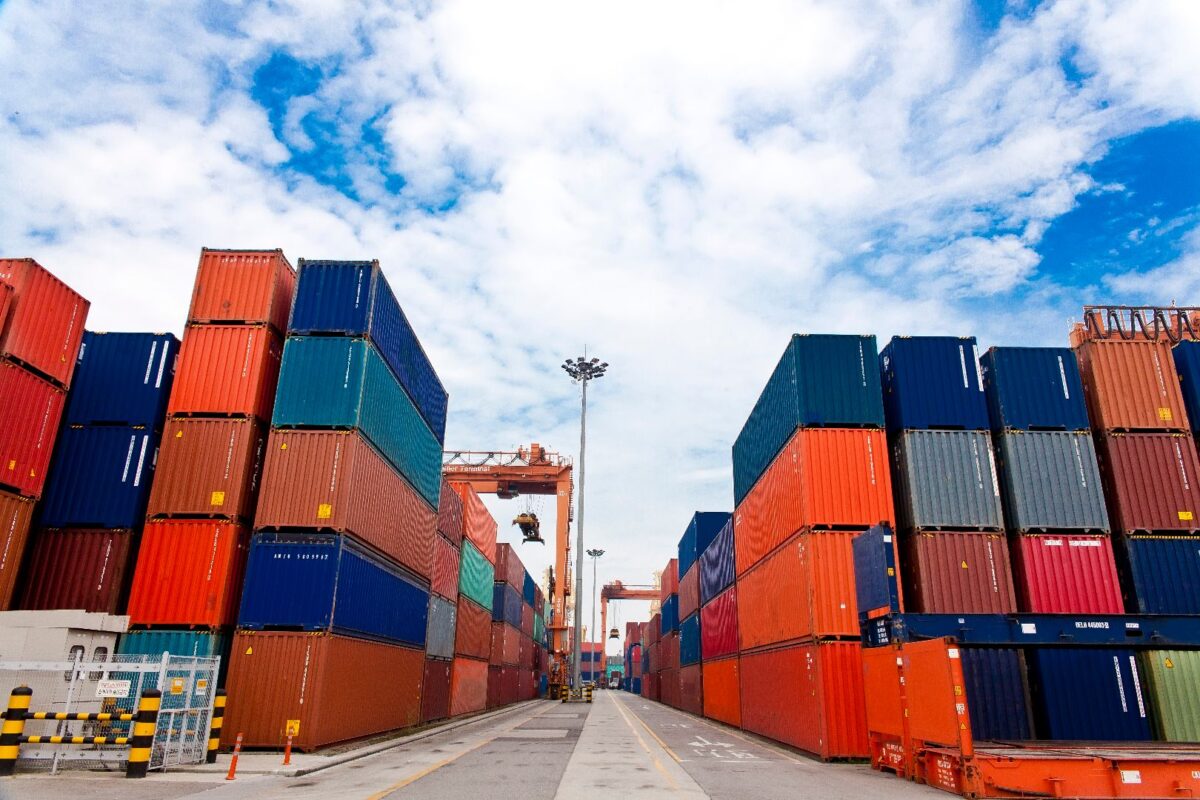
Packaging and logistics also play a crucial role in the export process. Oregano is typically packed in bulk bags (e.g., 10 kg sacks) and shipped in containers, with a 40-foot container capable of carrying several tons of dried oregano. Efficient supply chains and proximity to major shipping routes, such as the Suez Canal, further enhance Egypt’s export capabilities.
Global Demand and Market Opportunities
The demand for oregano continues to grow worldwide due to its wide range of applications. It is extensively used in the food industry, particularly in Mediterranean and Western cuisines, as well as in pharmaceuticals and cosmetics because its antioxidant and antimicrobial properties.
Egyptian oregano is particularly valued for its strong flavor and high essential oil content, attributes that are directly linked to the country’s natural growing conditions. This has helped Egypt establish long-term trade relationships with international buyers and maintain a competitive position in the global market.
Conclusion
The cultivation and export of oregano from Egypt illustrate the country’s strengths in agricultural production and international trade. With its ideal climate, skilled farmers, and advanced processing capabilities, Egypt produces oregano that meets high global standards. As demand for natural and organic products continues to rise, Egypt is well-positioned to remain a key player in the international oregano market, offering quality, reliability, and value to buyers worldwide.