

Historical Significance of Spices and Herbs in Global Trade

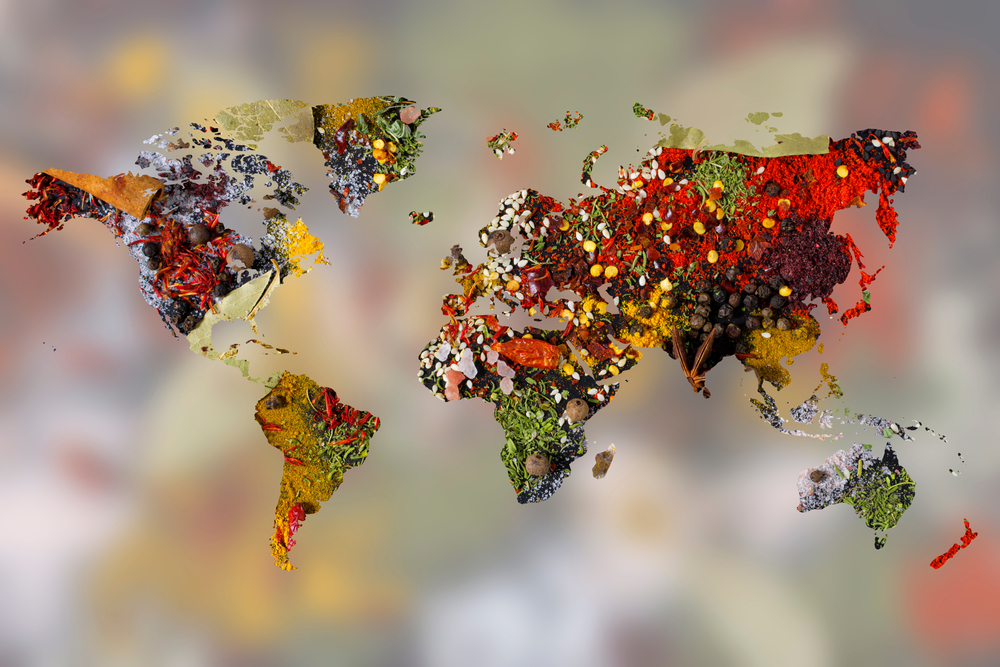
For thousands of years, spices and herbs have played an extraordinary role in shaping civilizations, economies, and cultures around the world. Long before modern transportation and globalization, valuable spices such as black pepper, cinnamon, cloves, nutmeg, and ginger traveled thousands of kilometers through dangerous deserts, mountain passes, and vast oceans. Likewise, aromatic herbs including rosemary, thyme, basil, oregano, mint, and sage became essential commodities for culinary, medicinal, and religious purposes.
The global trade in spices and herbs did far more than satisfy people’s desire for flavor. It established some of the world’s earliest international trade networks, inspired explorers to discover new sea routes, contributed to the rise and fall of empires, and transformed global economies. Many historians consider the spice trade one of the greatest driving forces behind the Age of Exploration, leading directly to European expansion into Asia, Africa, and the Americas.
Today, although spices and herbs are more accessible than ever, their historical importance continues to influence international commerce. Modern exporting countries such as Egypt, India, Vietnam, Indonesia, Turkey, and several Mediterranean nations continue traditions that began thousands of years ago.
The Origins of the Spice Trade
The story of spice trading dates back more than 4,000 years. Ancient civilizations quickly recognized the value of aromatic plants not only as food ingredients but also as medicines, preservatives, perfumes, and sacred offerings.
Archaeological evidence suggests that spices were exchanged between Mesopotamia, Egypt, India, and China long before written history fully documented international commerce.
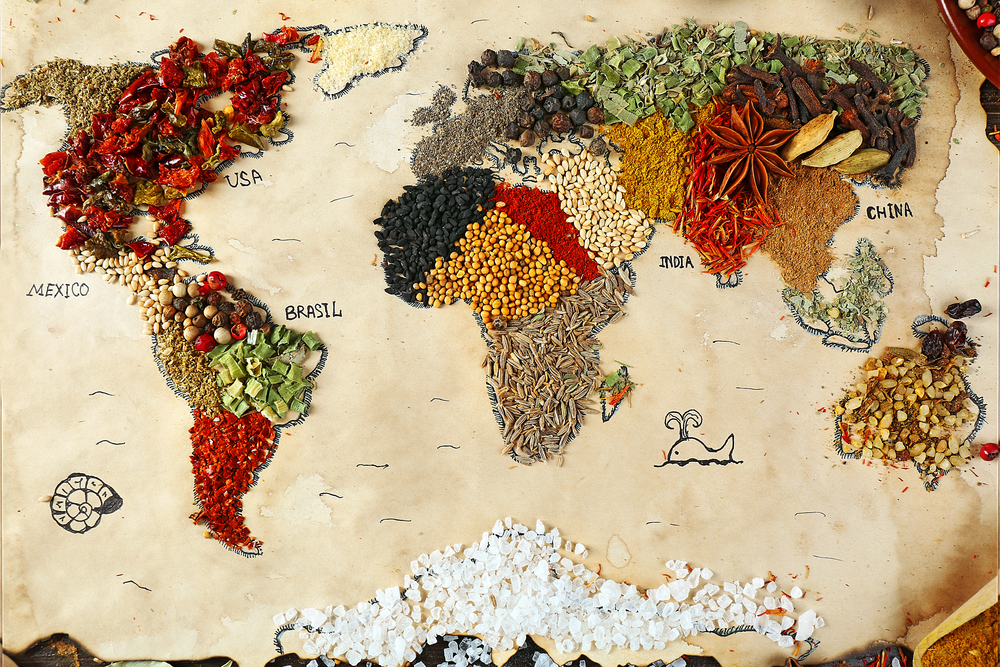
Some of the earliest traded products included:
- Parsley
- Cassia
- Black pepper
- Dill weed
- Fenugreek
- Turmeric
- Cilantro
- Thyme
- Coriander
- Cumin
These products often traveled incredible distances, sometimes changing hands dozens of times before reaching their final destination.
Ancient Egypt: A Pioneer in Herb and Spice Commerce
Ancient Egypt occupied one of the world’s most strategic trading positions. Located between Africa, Asia, and the Mediterranean, Egypt became a major commercial center connecting numerous civilizations.
The Egyptians valued herbs and spices for many purposes:
Food Preservation
Before refrigeration existed, spices helped preserve meats and improve food safety.
Religious Ceremonies
Frankincense and myrrh were burned during temple rituals and royal ceremonies.
Medicine
Egyptian physicians used herbs such as fennel, coriander, cumin, mint, garlic, and anise to treat digestive disorders, infections, and respiratory illnesses.
Mummification
Perhaps the most famous use of spices was during the embalming process. Cinnamon, cassia, myrrh, cedar oils, and numerous aromatic herbs helped preserve bodies for the afterlife.
The famous Ebers Papyrus, one of the oldest surviving medical texts, contains hundreds of herbal remedies demonstrating Egypt’s advanced botanical knowledge.
Why Spices Were Worth Their Weight in Gold
Many spices were among the world’s most expensive commodities.
Several factors contributed to their extraordinary value.
Limited Production
Certain spices grew only in specific climates.
For centuries:
- Cloves came almost exclusively from Indonesia.
- Nutmeg was native to the Banda Islands.
- Cinnamon originated mainly from Sri Lanka.
This scarcity created exceptionally high prices.
The Economic Impact of the Spice Trade
Merchants required sophisticated financial systems to support long-distance commerce.
Maritime Innovation
Improved ships enabled larger cargoes and safer voyages.
Insurance Development
Marine insurance emerged to reduce commercial risks.
Commercial Cities
Ports expanded into prosperous urban centers.
Employment
Millions of people worked in farming, harvesting, processing, shipping, warehousing, and trading spices.
The Role of Herbs in Everyday Life
Unlike rare luxury spices, many herbs became essential ingredients in everyday cooking.
Popular herbs included:
- Parsley
- Dill
- Basil
- Rosemary
- Thyme
- Sage
- Oregano
- Mint
These herbs enhanced food while also providing medicinal benefits.
Many families cultivated kitchen gardens specifically for culinary and healthcare needs.
Egypt’s Continuing Legacy in the Herb Trade
Egypt has remained an important producer of herbs and spices throughout history.
The country’s favorable climate, fertile Nile Valley, and long agricultural tradition support the cultivation of numerous export-quality crops.
Today Egypt exports products including:
- Chamomile
- Basil
- Oregano
- Peppermint
- Spearmint
- Calendula
- Hibiscus
- Parsley
- Dill
- Coriander
- Fennel
- Caraway
- Cumin
- Anise
Egyptian herbs are widely recognized for their quality, aroma, and suitability for international food, pharmaceutical, cosmetic, and herbal tea industries.
Conclusion
The historical significance of spices and herbs extends far beyond their culinary appeal. These valuable agricultural products shaped ancient civilizations, fueled international commerce, inspired exploration, and connected cultures across continents for thousands of years. From the temples of Ancient Egypt and the bustling markets of the Silk Road to the maritime expeditions that transformed world history, spices and herbs have consistently influenced economic development, cultural exchange, and global trade.
Today, countries such as Egypt continue this remarkable legacy by supplying premium herbs and spices to international markets. Modern exporters combine centuries of agricultural expertise with advanced processing technologies and strict quality standards to meet the evolving needs of global consumers.
As demand for natural ingredients, sustainable agriculture, and authentic flavors continues to grow, the global spice and herb trade remains one of the world’s most enduring and influential industries. Its rich history serves as a reminder that even the smallest seeds, leaves, and aromatic spices have had the power to shape civilizations, build trade routes, and connect people across the globe for millennia.