Steam Sterilization Improves the Safety of Dried Herbs

Dried herbs are among the world’s most valuable agricultural products, serving as essential ingredients in the food, beverage, pharmaceutical, cosmetic, and nutraceutical industries. Whether used to enhance flavor, create herbal teas, manufacture dietary supplements, or formulate natural health products, dried herbs must meet strict safety and quality standards before reaching international markets.
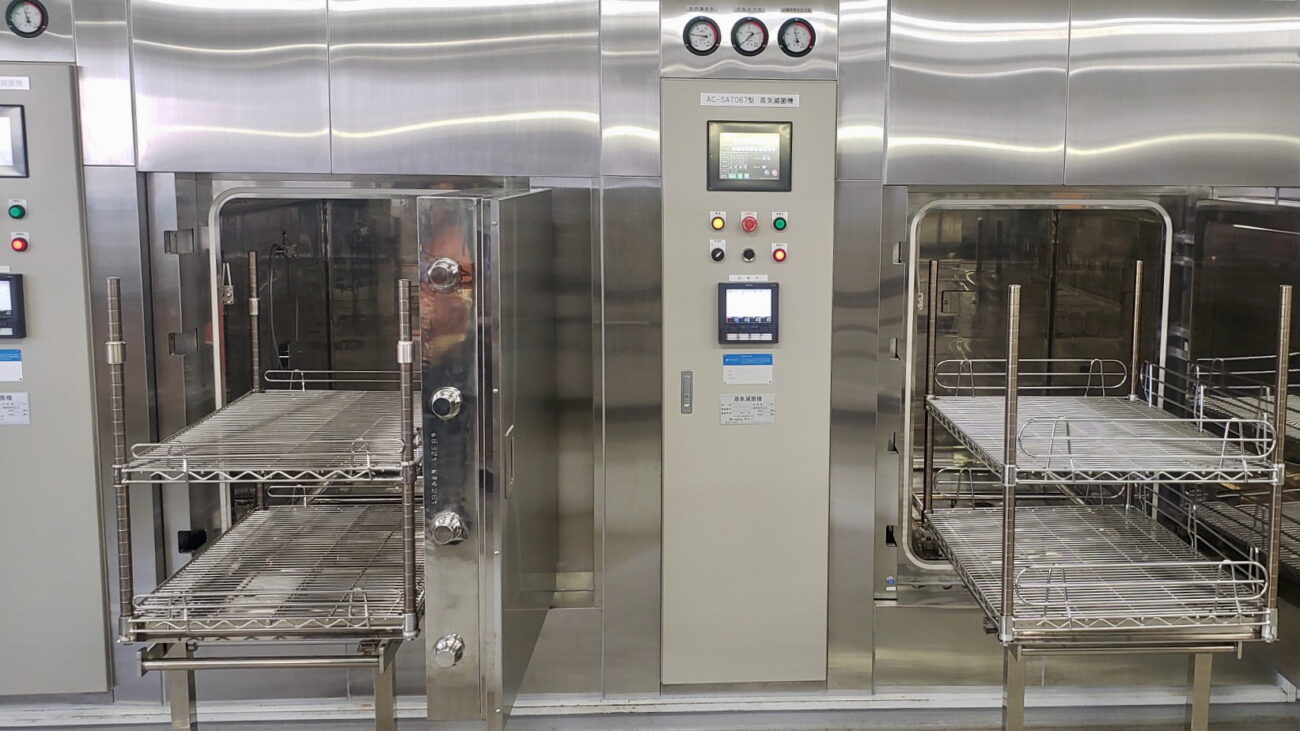
Although drying significantly extends the shelf life of herbs, it does not eliminate microorganisms that may be present from cultivation, harvesting, transportation, or storage. As a result, manufacturers and exporters rely on advanced sterilization methods to ensure their products are safe for consumers. Among the available technologies, steam sterilization has become one of the most effective, environmentally friendly, and internationally accepted methods for reducing microbial contamination while preserving the natural characteristics of dried herbs.
This article explores how steam sterilization works, why it is important, and how it enhances the safety and marketability of dried herbs exported worldwide.
Understanding Microbial Contamination in Dried Herbs
Many people assume that dried herbs are naturally free from harmful microorganisms because of their low moisture content. While drying inhibits microbial growth, it does not completely destroy bacteria, molds, yeasts, or bacterial spores that may already be present.
Microbial contamination can occur during several stages of production, including:
- Cultivation in open fields
- Contact with soil and irrigation water
- Exposure to animals, insects, and birds
- Harvesting operations
- Drying on open surfaces
- Transportation
- Storage in humid conditions
- Processing and packaging
Common microorganisms found on dried herbs may include:
- Salmonella
- Escherichia coli (E. coli)
- Bacillus species
- Clostridium species
- Yeasts
- Molds
- Aerobic bacteria
Although not every microorganism is harmful, high microbial loads can reduce product quality, shorten shelf life, and increase food safety risks.
Why Food Safety Matters in International Trade
International buyers increasingly demand products that comply with rigorous food safety regulations. Countries such as the United States, Germany, France, the Netherlands, the United Kingdom, Canada, Japan, and Australia enforce strict microbiological requirements for imported herbs.
Importers often require suppliers to demonstrate compliance with recognized food safety standards, including:
- HACCP
- ISO 22000
- BRCGS
- FSSC 22000
- Good Manufacturing Practices (GMP)
Steam sterilization helps exporters meet these expectations by significantly reducing microbial counts before shipment.
What Is Steam Sterilization?
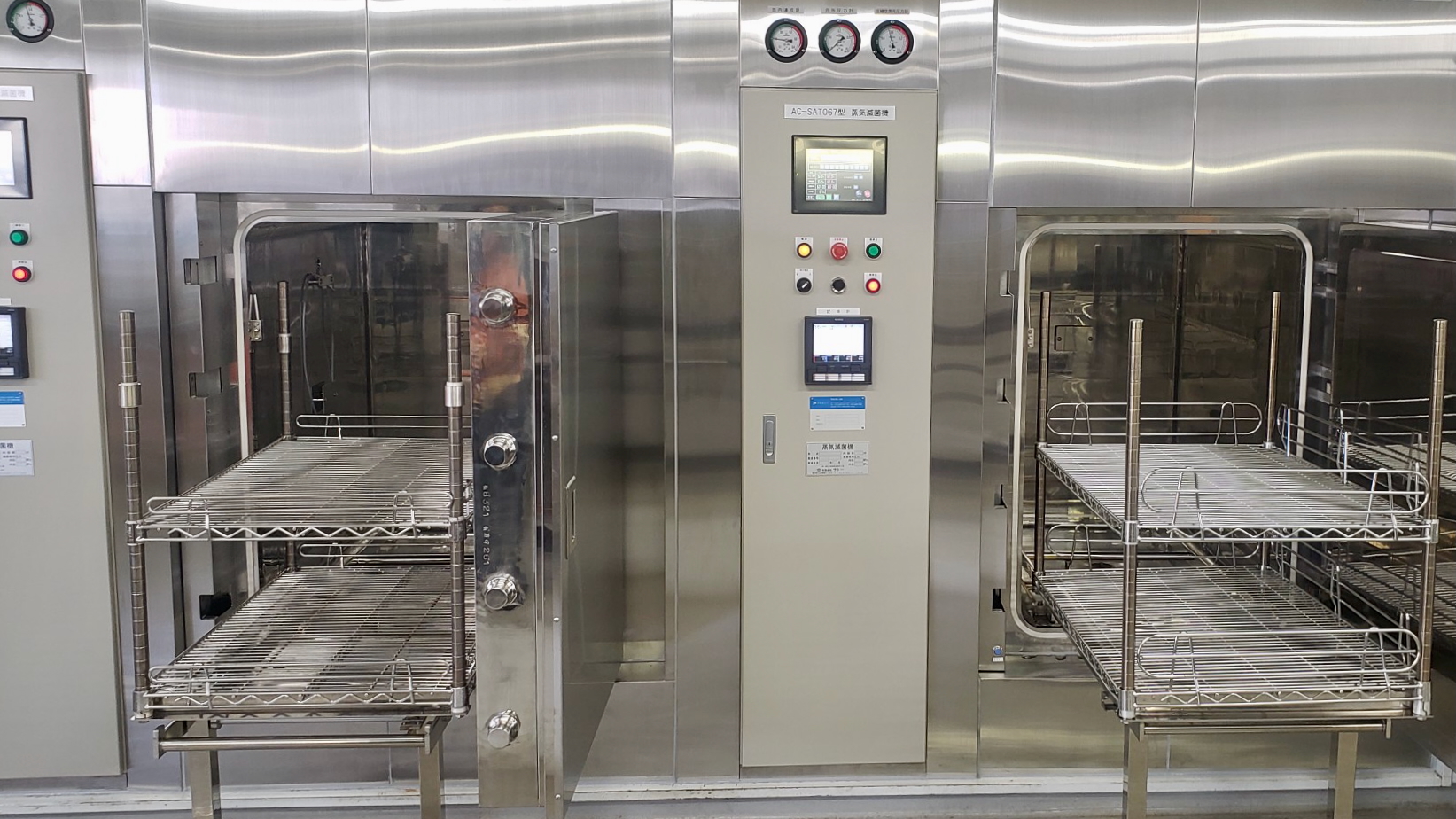
Steam sterilization is a controlled thermal process that uses saturated steam under carefully monitored temperature, pressure, and exposure time to reduce microorganisms present on dried herbs.
Unlike simple heating, steam transfers heat efficiently through moisture, allowing microorganisms to be destroyed without exposing the herbs to excessively high temperatures for long periods.
The process is specifically designed to lower microbial loads while maintaining the herbs’ natural characteristics, including:
- Color
- Aroma
- Flavor
- Essential oils
- Appearance
- Functional properties
How Steam Sterilization Works:
Although equipment designs vary among manufacturers, the process generally follows several key steps.
1. Product Inspection
Before sterilization begins, dried herbs are inspected to ensure they meet quality specifications. Foreign materials, dust, stones, and unwanted particles are removed.
2. Loading the Sterilization Chamber
The herbs are loaded into a specially designed steam chamber that allows even steam distribution.
Uniform loading is essential to ensure every part of the product receives adequate treatment.
3. Controlled Steam Exposure
The chamber introduces saturated steam under carefully controlled conditions.
Several parameters are monitored:
- Temperature
- Steam pressure
- Exposure time
- Moisture level
- Product temperature
These conditions are optimized depending on the herb being treated.
4. Rapid Cooling
After microbial reduction is achieved, the herbs are cooled quickly to prevent over-processing.
Rapid cooling helps preserve:
- Green color
- Volatile aroma compounds
- Essential oils
- Product texture
5. Drying and Moisture Adjustment
Since steam introduces temporary moisture, the herbs are gently dried back to their optimal moisture content before packaging.
Maintaining the correct moisture level is essential for long shelf life.
6. Packaging Under Hygienic Conditions
Once sterilized, herbs are transferred into clean packaging areas to prevent recontamination.
Many facilities use:
- Food-grade packaging
- Metal detection
- Sieving systems
- Cleanroom environments
- Hygienic handling procedures
Advantages Over Chemical Sterilization
Historically, some food products were treated with chemical sterilizing agents.
Today, many international buyers prefer steam sterilization because it:
- Uses only water and heat
- Leaves no chemical residues
- Is environmentally friendly
- Is widely accepted by food manufacturers
- Meets clean-label expectations
Consumers increasingly prefer foods processed without unnecessary chemicals.
Conclusion
Steam sterilization has become an essential step in the production of safe, high-quality dried herbs for international markets. By effectively reducing bacteria, yeasts, molds, and other microorganisms, this advanced process helps protect consumers while enabling exporters to meet stringent global food safety requirements.
Unlike chemical treatments, steam sterilization relies on the natural power of heat and water to improve product safety without leaving harmful residues. When combined with proper agricultural practices, hygienic processing, laboratory testing, and careful packaging, it contributes to a reliable supply of premium dried herbs that satisfy the expectations of food manufacturers, retailers, and consumers around the world.
For exporters of herbs and spices, investing in steam sterilization is more than a processing step—it is a commitment to quality, safety, sustainability, and long-term success in the global marketplace.