

From Field to Container: Establishing End-to-End Batch Traceability

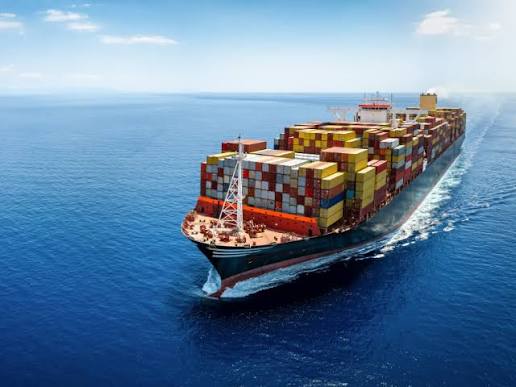
In the modern global food supply chain, accountability is no longer a premium marketing feature; it is an operational prerequisite. For the international trade of agricultural commodities—specifically dried herbs, seeds, and spices—the journey from a rural cultivation field to an overseas shipping container is fraught with variables. Variations in soil chemistry, localized weather events, harvesting methodologies, and decentralized processing networks introduce complexity at every node.
For global Business-to-Business (B2B) procurement managers, quality assurance (QA) directors, and regulatory bodies in highly stringent import markets like the European Union and the United States, transparency is the primary metric of trust. The mechanism that delivers this transparency is end-to-end batch traceability.
Traceability is the documented ability to reconstruct the history, application, or location of an item through recorded identifications. In the context of botanical exports, it means ensuring that a 20-metric-ton shipment of crushed basil or whole fennel seeds arriving at a European or American port can be traced back through the processing plant, past the dehydration yards, directly to the specific agricultural plot and harvest date of origin. Establishing a bulletproof traceability architecture requires a systematic, multi-layered approach that bridges the gap between traditional agricultural practices and modern digital data management.
The Anatomy of a Batch: Defining the Unit of Traceability
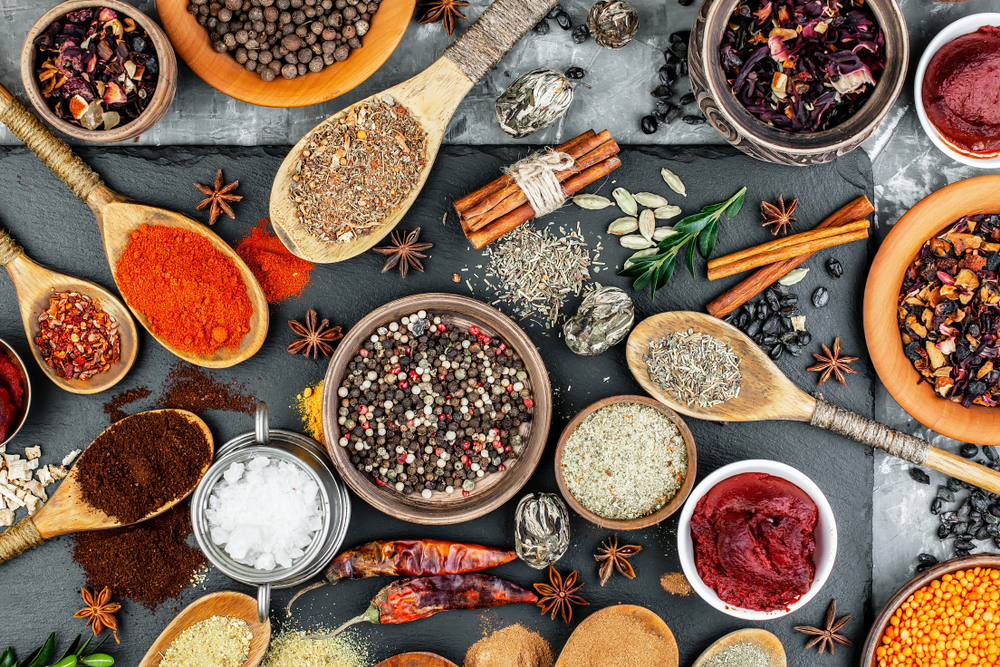
A traceability system is only as reliable as its baseline definition of a “batch” or “lot.” In bulk agricultural trade, homogeneity is an illusion unless strictly enforced by operational parameters. A single shipping container rarely holds a product derived from a single square kilometer of land harvested on a single afternoon. Instead, it represents an aggregation.
To establish an immutable tracking system, exporters must implement a strict Lot Separation Protocol at the earliest possible point of collection.
A unique Batch ID acts as the “genetic code” of the shipment. This alphanumeric code must be structured to convey vital parameters at a glance, typically indicating:
- The country of origin.
- The specific botanical species.
- The harvest year.
- The unique chronological processing sequence number.
From the moment this ID is assigned at the regional receiving station, it becomes the primary key in the exporter’s database. It is physically affixed to every woven polypropylene sack or multi-wall paper bag via barcode, QR code, or high-durability tracking tags. If a batch is later split for different processing treatments or blended to meet a specific customer specification, the system must generate child batch IDs ($Batch_{1a}$, $Batch_{1b}$) that maintain a direct, digital link to the parent lot’s history.
Phase 2: Midstream Traceability (The Processing and Refining Core)
Once the raw, dehydrated botanicals arrive at a centralized processing and milling facility, they enter an environment where the risk of lot cross-contamination increases. Midstream traceability ensures that as raw material undergoes mechanical transformation, its documentation evolves accordingly.
Gatekeeping: Intake QA and Verification
Upon arrival at the processing facility, receiving clerks audit the incoming field transport documentation against the physical barcodes on the raw material sacks. No material is permitted to enter the processing line without passing a gatekeeping inspection. This includes initial moisture testing (ensuring it falls safely within a stable 10–12% threshold to prevent mold proliferation) and a visual check for physical purity.
Line Clearance and Sanitation Chronology
In a multi-product facility that processes various spices and herbs throughout a production cycle, preventing cross-contact is paramount. True traceability includes documenting the operational state of the machinery itself. Before a new batch is introduced to a milling, sifting, or de-stoning line, a formal Line Clearance Protocol is executed. Operators log the cleaning timestamps, validation methods, and inspector signatures. This guarantees that Batch B cannot contain trace residues or volatile oil cross-contamination from Batch A.
Continuous Processing Logs and In-Line Analytics
As the botanical material moves through magnets, air-gravity separators, color sorters, and metal detectors, real-time metrics are paired with the Batch ID. Modern processing facilities utilize industrial software systems that log machine parameters, including:
- Throughput speeds.
- Milling screen sizes (which dictate the final fraction size of crushed leaves).
- In-line metal detector validation checks (recording regular test intervals with certified ferrous, non-ferrous, and stainless steel spheres).
Phase 3: Downstream Traceability (The Logistics and Maritime Interface)
The final phase of the traceability journey translates internal plant records into international logistical assets. This phase bridges the gap between the warehouse floor and the global container freight network.
Packaging and Final QA Serialization
Once processing is complete, the finished product is weighed and packed into commercial shipping units—typically multi-ply paper bags or poly-lined woven sacks designed to preserve volatile oils and repel environmental moisture. Each bag receives a unique serial label tied directly to the master Batch ID. These bags are then consolidated onto wooden pallets, wrapped securely, and labeled with a master pallet license plate sticker containing a scannable SSCC (Serialized Shipping Container Code).
Containerization, Sealing, and Environmental Security
The physical loading of the maritime container is the final link in the origin supply chain. The container intake process requires rigorous documentation:
- Pre-Loading Inspection: The container’s interior must be inspected and photographed to ensure it is completely dry, free of odor, and devoid of structural holes that could permit water ingress.
- Stacking Patterns: The placement of pallets inside the container is logged, along with the installation of industrial desiccant poles or moisture-absorbent blankets designed to mitigate the effects of “container rain” during sea transits.
- The High-Security Seal: Once loading is complete, the heavy container doors are locked and secured with a numbered, high-security bolt seal. The seal number is immediately cross-referenced with the Batch ID, the container number, and the Bill of Lading (B2L).
The Future Frontier: Digital Verification and Transparent Data
As international trade advances, paper-based tracking sheets and siloed Excel documents are being replaced by interconnected digital systems. Enterprise Resource Planning (ERP) software tailored for agribusiness enables real-time data logging directly from the field via mobile applications used by agronomists.
Furthermore, cloud-based traceability portals allow global buyers to log in and securely access the entire lineage of their purchased batch. By scanning a QR code on an arriving pallet, a procurement officer in Hamburg or New York can instantly download the crop protection history, processing logs, volatile oil analysis sheets, and phytosanitary certificates for that specific lot.
Establishing end-to-end batch traceability from the agricultural field to the ocean container is a comprehensive operational strategy. It transforms the supply chain from a series of disjointed transactions into a continuous, visible stream of verified data. By defining precise tracking units, enforcing strict processing controls, and maintaining detailed logistics logs, exporters can successfully manage the complexities of global agricultural trade. In doing so, they protect not only consumer safety and regulatory compliance but also establish the trust required to sustain long-term, high-value international B2B partnerships.
Spice Home Have a complete traceability program to ensure food safety well established facility. you can check our productsHere.
Feel free to contact us for any inquiries fromHere