Sustainable Cultivation and Ethical Sourcing in Egypt

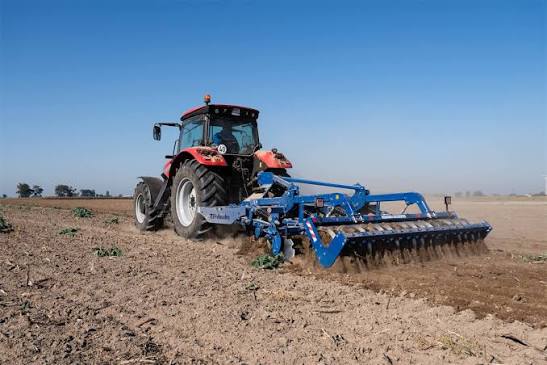
Egypt has a long and distinguished agricultural history. From the fertile lands surrounding the Nile to newly reclaimed agricultural areas in the desert, farming has always played an important role in the country’s economy, food security, rural communities, and international trade. Today, Egyptian agriculture is increasingly connected to global markets, particularly through the export of vegetables, fruits, herbs, spices, and seeds.
For products such as dried herbs, spices, and seeds, sustainability and ethical sourcing are becoming increasingly important. International buyers are no longer concerned only with price, appearance, flavor, and quality. They are also increasingly interested in how agricultural products are grown, who produces them, how natural resources are used, how workers are treated, and whether supply chains are transparent and responsible.
Sustainable cultivation and ethical sourcing therefore represent more than environmental concepts. Together, they provide a practical approach for building stronger agricultural communities, protecting Egypt’s limited natural resources, improving product quality, and creating long-term value for farmers, exporters, importers, and consumers.
Egypt’s agricultural development policies already emphasize sustainable use of agricultural resources, competitiveness in domestic and international markets, increased agricultural exports, and improved livelihoods for rural communities
1. Understanding Sustainable Cultivation
Sustainable cultivation is an approach to agriculture that seeks to produce crops efficiently while protecting the natural resources required for future production.
In simple terms, sustainable farming means growing today without compromising the ability to grow tomorrow.
A sustainable agricultural system considers several interconnected factors:
- Water conservation
- Soil health
- Responsible fertilizer use
- Integrated pest management
- Biodiversity
- Climate resilience
- Reduction of agricultural waste
- Energy efficiency
- Farmer livelihoods
- Worker welfare
- Long-term productivity
This approach is particularly important in Egypt because agriculture operates under significant environmental constraints. Water resources are limited, temperatures are rising, and some agricultural areas face increasing soil salinity and other challenges. FAO identifies water scarcity, soil degradation, salinity, increasing temperatures, pests, and climate change as important challenges facing Egyptian agriculture.
Consequently, sustainable cultivation is not simply an environmental preference for Egypt. It is an important component of the country’s agricultural future.
2. Egypt’s Unique Agricultural Environment
Egyptian agriculture is strongly associated with the Nile Valley and Nile Delta. For thousands of years, the Nile has provided the water and fertile soils that allowed agricultural communities to develop.
Today, however, agriculture must balance traditional advantages with modern challenges.
Egypt has a growing population, increasing demand for agricultural products, limited water resources, and pressure on existing agricultural land. Climate change adds another layer of complexity through higher temperatures, changing weather conditions, and increased pressure on water and soil resources.
FAO’s current country framework for Egypt specifically identifies increasing irrigation-water scarcity, soil and water salinity, declining soil health, rising temperatures, desertification, and increasing pest and disease pressures among the challenges requiring greater climate resilience and resource efficiency.
These conditions make sustainable cultivation particularly relevant to crops such as herbs and spices.
Many herbs can be cultivated in different agricultural environments, and careful selection of varieties, irrigation methods, planting schedules, soil-management practices, and harvesting techniques can help farmers maintain productivity while reducing unnecessary resource consumption.
3. Sustainable Water Management
Water is arguably the most important sustainability issue facing Egyptian agriculture.
Agriculture depends heavily on irrigation, while Egypt’s available freshwater resources are limited. Efficient water management is therefore essential for protecting agricultural production over the long term.
FAO has supported initiatives in Egypt focused on improving water productivity, modernizing irrigation systems, developing climate-smart water-management practices, and helping smallholder farmers adopt more efficient technologies.
Modern irrigation
Traditional irrigation methods can sometimes result in unnecessary water losses. Modern systems such as drip irrigation and carefully managed sprinkler irrigation can help deliver water closer to where crops need it.
For herb and spice cultivation, efficient irrigation can contribute to:
- Better control of soil moisture
- Reduced water losses
- More consistent crop development
- Improved fertilizer efficiency
- Reduced risk of waterlogging
- Better management of production costs
Water sustainability does not necessarily mean using less water at the expense of crop productivity. The goal is to produce more value with every unit of water used.
Integrated Pest Management
Pest management is another important component of sustainable cultivation.
The objective of sustainable pest management is not simply to eliminate every insect or disease organism. Instead, it is to protect crops while minimizing unnecessary environmental impact.
Integrated Pest Management (IPM) combines several approaches, including:
- Crop monitoring
- Field inspections
- Biological control
- Cultural practices
- Resistant varieties where available
- Appropriate agricultural practices
- Targeted pesticide applications when necessary
The key principle is that pesticides should be used responsibly and according to appropriate recommendations rather than automatically applied on a fixed schedule.
This can help reduce production costs while supporting environmental protection and food safety.
For export crops, responsible pesticide management is particularly important because international markets may establish strict maximum residue limits.
Sustainable Cultivation of Herbs and Spices
Herbs and spices represent a particularly interesting area for sustainable Egyptian agriculture.
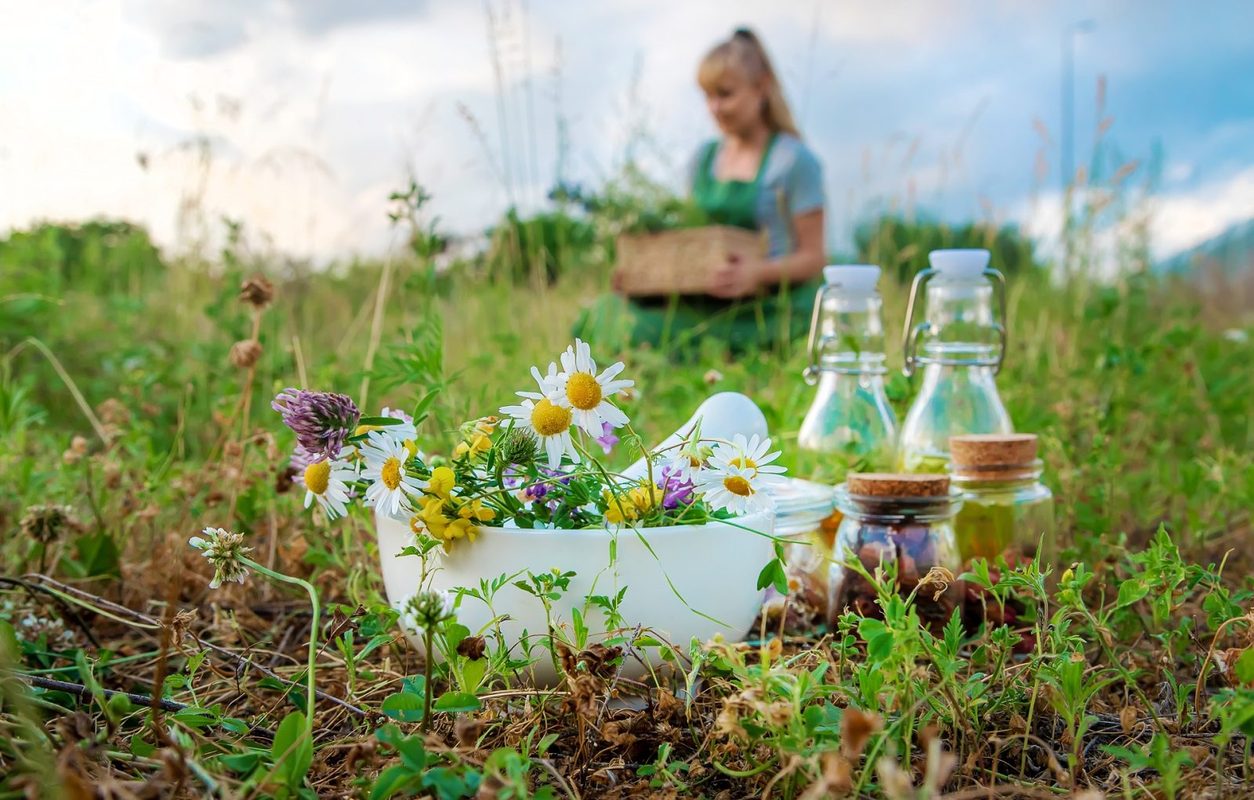
Egypt produces a wide range of aromatic plants and spices, including products such as:
- Marjoram
- Basil
- Dill
- Parsley
- Coriander
- Fennel
- Cumin
- Caraway
- Anise
- Oregano
- Thyme
- Rosemary
- Peppermint
- Spearmint
- Hibiscus
- Chamomile
- Calendula
These crops have applications across the food, beverage, pharmaceutical, cosmetic, and wellness industries.
The sustainability of these crops depends on the entire production process—from seed selection and land preparation to irrigation, harvesting, drying, storage, processing, and transportation.
For dried herbs and spices, sustainable cultivation is therefore only the first stage of a much larger responsible supply chain.
Sustainable Drying of Herbs
Drying is particularly important for Egyptian herbs because many products are exported in dried form.
Traditional open-air drying can sometimes create risks related to contamination, moisture, dust, insects, and inconsistent drying conditions. Controlled drying systems can provide greater consistency and reduce quality losses.
Sustainable drying should consider:
- Energy consumption
- Drying temperature
- Air circulation
- Moisture control
- Product protection
- Waste reduction
- Equipment efficiency
Solar energy can also provide opportunities for reducing dependence on conventional energy sources in suitable agricultural environments.
The objective is to create a drying process that maintains product quality while using energy and other resources efficiently.
What Is Ethical Sourcing?
Sustainable cultivation focuses primarily on environmental and agricultural practices.
Ethical sourcing adds the human dimension.
Ethical sourcing means obtaining agricultural products in a manner that respects farmers, agricultural workers, communities, and other participants in the supply chain.
It involves questions such as:
- Are farmers receiving fair and transparent purchasing terms?
- Are workers treated respectfully?
- Are appropriate safety measures provided?
- Is child labor prohibited?
- Are working hours and conditions reasonable?
- Are farmers paid on time?
- Are suppliers treated fairly?
- Can the origin of the product be identified?
- Are environmental and social risks being monitored?
The OECD-FAO approach to responsible business conduct in agriculture emphasizes due diligence across supply chains and identifies issues including labor rights, land tenure, environmental protection, water scarcity, food security, and child labor.
Traceability: From Farm to Export
Traceability is becoming increasingly important in international agricultural trade.
For an exporter of herbs, spices, and seeds, traceability means being able to understand where a product came from and how it moved through the supply chain.
A simplified traceability system might look like:
Farm → Farmer/Supplier → Collection → Processing → Testing → Packaging → Export
Important information can include:
- Farm or supplier identification
- Harvest date
- Crop variety
- Production area
- Processing date
- Batch number
- Laboratory results
- Treatment records
- Packaging information
- Shipment details
Egyptian authorities have emphasized traceability and international phytosanitary requirements for agricultural exports, including systems covering farms, packing stations, and export entities.
Strong traceability benefits both exporters and buyers because it makes it easier to investigate quality issues and demonstrate supply-chain control.
Sustainable cultivation and ethical sourcing represent an important future for Egyptian agriculture.
Egypt has a remarkable agricultural heritage, but protecting that heritage requires adapting agricultural production to modern environmental, economic, and social challenges.
Water scarcity, soil degradation, climate change, increasing market requirements, and the need to protect rural livelihoods make sustainable agricultural practices increasingly important. FAO and Egyptian agricultural institutions are already emphasizing water productivity, climate-smart agriculture, good agricultural practices, smallholder development, resource efficiency, and stronger agricultural value chains.
For Egypt’s herbs, spices, and seeds sector, sustainability offers a particularly valuable opportunity. Responsible cultivation can protect natural resources. Ethical sourcing can strengthen rural communities. Traceability can increase buyer confidence. Better processing can improve quality. And responsible export practices can strengthen Egypt’s reputation in international markets.
Ultimately, sustainable agriculture is about much more than protecting the environment. It is about creating an agricultural system that remains productive, profitable, responsible, and resilient for future generations.
For Egyptian exporters, the opportunity is clear: the story of a product should not end with its origin. A successful product can carry with it a story of responsible farming, fair relationships, careful processing, quality assurance, and respect for both people and natural resources.
When these principles are integrated throughout the supply chain, Egyptian herbs, spices, and seeds can compete not only on quality and price, but also on responsibility, transparency, and sustainability—qualities that are increasingly valuable in the global agricultural marketplace.